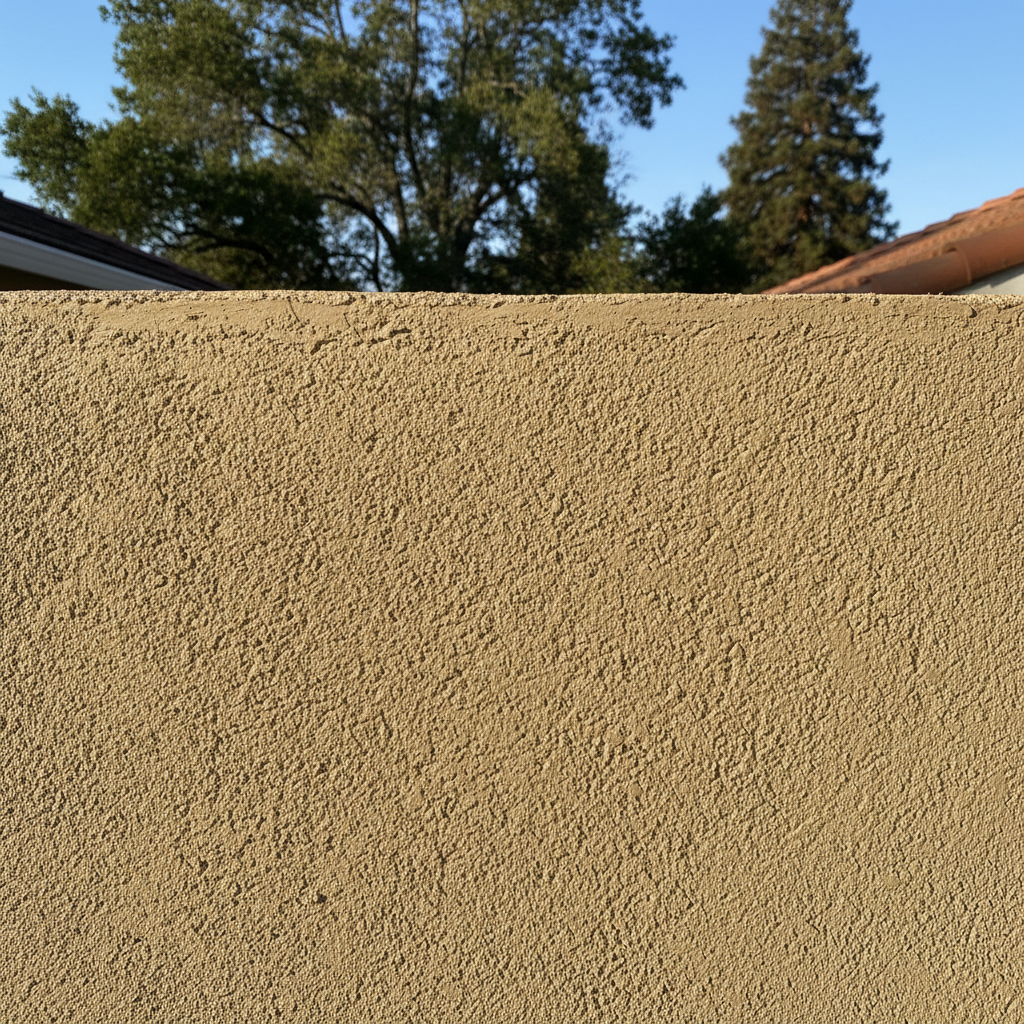
Stucco is tough, sure, but it’s not invincible. Eventually, you’re going to notice some cracks or chips. That’s just part of owning a home, especially an older one in places like Berkeley where foundations shift and the weather really puts things to the test. The big question for most homeowners always boils down to this: can I fix this myself, or do I really need to call in a pro?
Spotting the Problem: What Are You Actually Dealing With?
First things first, you’ve got to figure out what kind of damage you’re looking at. Not all cracks are created equal, you know? A hairline crack, maybe a sixteenth of an inch wide and often just on the surface, is a world away from a big, spiderweb pattern or a whole chunk of stucco that’s fallen off.
- Hairline Cracks: These are usually just cosmetic. They pop up from normal house movement or minor shrinkage. Good news: you can often handle these yourself.
- Spiderweb Cracks: If you spot a whole network of cracks spreading out, that could point to something more serious. Maybe the stucco mix wasn't quite right, or there's some underlying moisture issue lurking.
- Vertical or Horizontal Cracks: Longer, straight cracks can sometimes signal structural movement. If you see one running from, say, a window corner, that’s definitely a red flag.
- Bulging or Delamination: This is when the stucco starts to pull away from the wall itself. You might tap it and hear a hollow sound. This is serious stuff, because it means moisture is probably trapped behind it, which can lead to rot or mold.
- Holes or Missing Chunks: These are pretty obvious, aren't they? And they can leave your sheathing wide open to water damage.
If you're seeing anything beyond a simple hairline crack, or if you're just not sure, that’s usually your first clue to at least get an expert opinion. Seriously, don't mess around with water intrusion; it turns into a huge headache down the line.
DIY Stucco Repair: When You Can Pull It Off
For those small, hairline cracks, you can absolutely do a decent repair yourself. Here’s the basic rundown:
- Clean it Up: Make sure the area is clean and free of any loose bits. A stiff brush usually works wonders.
- Moisten the Area: Lightly mist the crack with water. This helps the new material stick better.
- Apply Patching Compound: For small cracks, you can grab a good quality acrylic caulk or a pre-mixed stucco patch made specifically for minor repairs. Squeeze it into the crack, making sure it fills completely.
- Texture Match (Roughly): This is usually the trickiest part for a DIYer. Use a damp sponge, a trowel, or even a brush to try and match the existing texture. It won't be perfect, but for a small repair, it can blend in pretty well.
- Cure and Seal: Let it cure according to the product instructions. Once it’s dry, you might want to paint the whole wall section, or just the patch if you happen to have matching paint.
You can also patch small holes or missing pieces — say, golf-ball sized — if you feel comfortable. You’d clean out the hole, moisten it, then apply a couple of thin layers of patching stucco, building it up slowly and matching the texture. The key here is thin layers; it helps prevent cracking as it dries.
When to Call Berkeley Stucco & Plastering
Look, I’m all for saving a buck, but some jobs just aren't meant for the weekend warrior. Here’s when you really should pick up the phone:
- Any Crack Wider Than a Quarter-Inch: These often go deeper and might signal structural issues or significant movement. You need to understand the root cause before you just patch it up.
- Bulging or Delaminated Stucco: As I mentioned earlier, this means water is getting in and staying there. You're likely looking at replacing sections, dealing with rot, and making sure drainage is proper. That's definitely not a simple patch job.
- Large Areas of Damage: If you have a whole section of stucco that's crumbling or missing, you're not just patching; you're re-stuccoing. This requires skill, specialized tools, and knowing how to properly layer the materials for durability and weather resistance.
- Repeated Cracks in the Same Spot: If you patch a crack and it just keeps coming back, that’s a clear sign of an ongoing problem that needs a professional diagnosis. It could be foundation movement, flashing issues, or something else entirely.
- Water Stains or Mold: If you see these, especially around windows or at the base of your walls, you've got a moisture problem. Someone who knows how to find the source and fix it right needs to address it immediately.
- Matching Existing Texture: Berkeley homes have all sorts of stucco finishes, from smooth to heavy dash. Getting a seamless texture match on a larger repair is an art form, honestly. A pro has the tools and experience to blend new stucco with old so it looks like it was always there.
Especially with our older homes in Berkeley, sometimes built on those challenging hillside foundations, what looks like a simple crack can actually be a symptom of something bigger. You really don't want to just cover up a problem that's going to cause bigger headaches further down the road.
After the Repair: Keeping It Healthy
Once the repair is done, whether you did it or we did, keep an eye on it. Make sure water is draining away from your foundation. Check your gutters and downspouts. Trim back any plants that are growing directly against the stucco. A little preventative maintenance goes a long way in keeping your stucco healthy for years to come.
Final Thoughts
So, can you fix stucco yourself? For small, superficial cracks, absolutely. Go for it! But for anything more significant, or if you're unsure, don't hesitate to call in the experts. It's usually cheaper in the long run to get it done right the first time, believe me. We've seen too many DIY attempts that end up costing more to fix properly later on. If you're in doubt, give Berkeley Stucco & Plastering a call. We're happy to take a look and give you an honest assessment.