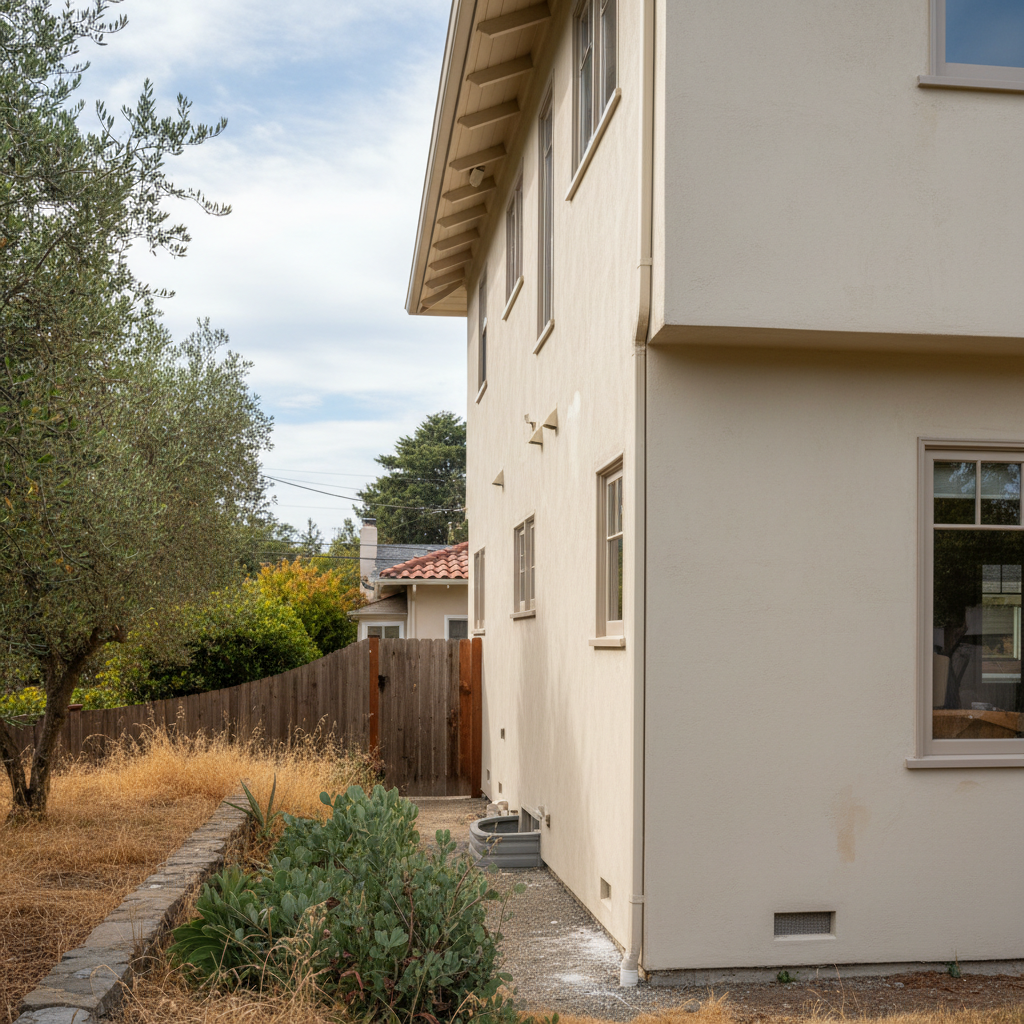
When should you actually start thinking about your stucco? It's not just a "set it and forget it" kind of deal, especially here in Berkeley where we get a little bit of everything weather-wise. I've seen a lot of stucco over my years, and I can tell you, paying attention to the seasons makes a huge difference in how long your exterior lasts and how much you'll end up spending on repairs down the line.
Why Berkeley's Weather Really Affects Your Stucco
Our climate isn't like, say, Arizona's, which is mostly dry. We definitely get those long, dry summers, no doubt, but then fall and winter roll in with some serious rain. That constant back-and-forth from dry heat to damp cold — not to mention those foggy mornings — truly puts stucco through its paces. It expands, it contracts, and if there are any tiny cracks or weak spots, water can sneak in and cause real trouble. Just think about those old homes up in the Berkeley Hills; they've weathered decades of this cycle.
Moisture is stucco's biggest enemy. And I don't just mean rain. I'm talking about moisture that gets stuck behind the stucco because of bad drainage, flashing problems, or cracks. Once water gets in, it can just sit there, rotting wood and even leading to mold. You won't always spot it right away, but by the time you do, it's usually a bigger, more expensive fix.
When to Get Your Stucco Inspected
I always tell people the best time for a good stucco inspection is actually twice a year, if you can swing it, but you absolutely need to do it at least once. Here's how I break it down:
- Late Spring/Early Summer: This is prime time. The heavy rains are usually gone, and everything's had a chance to dry out. Any water that got in over the winter will have left its mark, making it easier to spot. You'll be looking for efflorescence (those white powdery deposits), dark streaks, or new cracks that might have popped up from the freeze-thaw cycle or just the house settling. Plus, if you find problems, you've got the whole dry summer ahead to get repairs done without worrying about rain messing up the work.
- Late Fall (Before the Rains Hit): This is your last shot to button things up before the wet season. You're checking to make sure any previous repairs are still holding strong, and that your gutters and downspouts are clear, directing water away from the house. You'll want to confirm all your flashing around windows and doors is tight. It's really just preventative maintenance. You don't want to head into winter with known vulnerabilities, do you?
If you can only pick one time, make it late spring. That's when you'll see the clearest evidence of winter's wear and tear.
What Weather Conditions Affect Stucco Work?
This is a major point, and it's why you can't just slap stucco on any old day. Weather conditions directly impact how good the application is and how long it'll last.
Temperature: Stucco needs to cure correctly, and extreme temperatures aren't good for that. If it's too hot, it can dry out too fast, which might lead to cracking or a weak finish. If it's too cold, it won't cure at all, or it'll take forever, and that can also mess with its strength. We usually aim for temperatures between 40°F and 90°F. Here in Berkeley, our mild climate usually helps us out, but those heat waves or cold snaps can definitely be tricky.
Rain: You simply cannot apply stucco in the rain, or if rain is expected within 24-48 hours of application, depending on the coat. Water will wash away the fresh material, weaken the mix, and stop it from bonding properly. It's just a mess, and it won't last. That's why scheduling during our dry season is perfect for new applications or big repairs.
Wind: Strong winds can dry out stucco too quickly, much like high temperatures, leading to cracks. It also makes it harder to apply evenly. We'll often put up windbreaks if it's a particularly breezy day.
Humidity: While not as critical as rain or temperature, very high humidity can slow down the drying process, and very low humidity can speed it up. It's all about finding that sweet spot for proper curing.
Keeping Your Stucco Investment in Top Shape Year-Round
Beyond those seasonal inspections, there are other things you can do to keep your stucco looking great:
- Keep it Clean: Wash your stucco every now and then to get rid of dirt, mildew, and algae. A gentle power wash (low pressure!) or even just a hose and a soft brush with a mild detergent can work wonders. Don't let grime build up, especially on the north-facing sides of your house where it tends to stay damp longer.
- Manage Water: This is huge. Make sure your gutters are clean and draining right, and that downspouts extend several feet away from your foundation. Grade your landscaping so water flows away from your house, not toward it. Check your sprinklers; they shouldn't be constantly spraying your stucco.
- Trim Vegetation: Keep bushes and trees trimmed back from your stucco. They can trap moisture against the wall, scratch the surface, and give pests an easy path in. Plus, you want good airflow around your house.
- Address Cracks Promptly: Don't let small cracks turn into big headaches. If you see hairline cracks, keep an eye on them. If they start to widen or you notice water stains around them, get them checked out. Small repairs are always cheaper than big ones.
Look, your home's exterior is its first line of defense. Taking a little time to check things out seasonally, understanding how the weather impacts it, and doing some basic maintenance will save you headaches and money in the long run. If you're ever unsure about what you're seeing or need a professional eye, that's exactly what Berkeley Stucco & Plastering is here for. We're happy to take a look and give you an honest assessment.