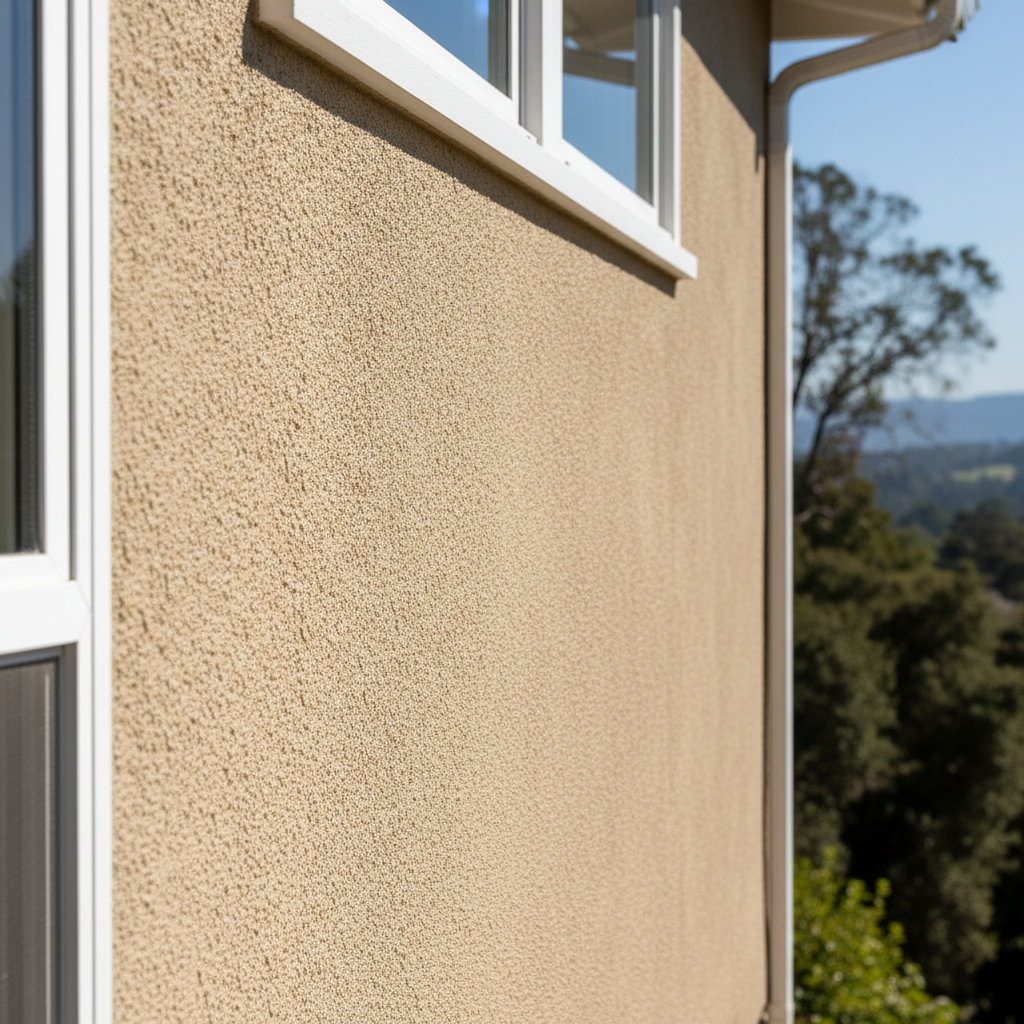
EIFS, or Exterior Insulation and Finish Systems, isn't your grandma's stucco. It's a completely different animal, and if you're thinking about putting it on your Berkeley home, you really need to know what you're getting into. I've seen a lot of exterior finishes come and go over the years, and EIFS definitely has its place, especially because it's such a good insulator. But let's be super clear: this isn't a weekend DIY project for most folks. Not by a long shot.
Before You Even Think About It
First off, EIFS is a multi-layered system. It's not just about slapping some cement on your walls, you know? You've got an insulation board, then a base coat with mesh, and finally a finish coat. Every single layer has to go on correctly for the system to actually work. The biggest thing you need to understand right away is that EIFS is a specialized trade. It's not like traditional stucco where a general handyman might get by. If it's not installed just right, you're looking at possible water intrusion issues, and believe me, that's a headache you absolutely don't want. We're talking rot, mold, and some seriously expensive repairs down the line.
Before you even consider buying materials, do your homework on installers. Look for people who are certified in EIFS installation. It's a specific skill set, and not every stucco contractor is an EIFS expert. Ask for references, check out their past work, and make sure they really understand the local building codes here in Berkeley. Our climate, with its damp mornings and those occasional heavy rains, means proper flashing and water management are absolutely critical for any exterior system, especially EIFS.
Can you DIY any of this "before" stage? Absolutely. You can research, get quotes, understand the system, and even do some of the prep work yourself, like clearing vegetation or moving obstructions. But when it comes to the actual design and picking out materials, you'll want a pro's input. There are different kinds of EIFS systems – barrier and drainage. For most homes, particularly in a place like Berkeley where we get our fair share of rain, a drainage EIFS system is usually the smarter choice. It includes a drainage plane behind the insulation to let any trapped moisture escape. Seriously, don't skimp on this detail.
During the Installation: What to Expect
Once you've found a qualified contractor, the installation process itself is pretty involved. It starts with getting the substrate ready; it needs to be clean, dry, and structurally sound. Then the insulation boards go on, either mechanically fastened or glued. This is where precision really counts. Gaps or unevenness will show right through the finish and mess up the insulation's performance.
Next comes the base coat, which is a cement-like material mixed with polymers, and into that, a fiberglass mesh gets embedded. This mesh gives it impact resistance and strength. After that dries, the primer goes on, and then the finish coat. The finish coat is what you actually see – it comes in all sorts of textures and colors, mimicking stucco, brick, or even stone. The whole process takes time, and each layer needs proper drying time.
What can you, the homeowner, realistically do while all this is happening? You can be there to ask questions, make sure the work area is safe, and keep an eye on the schedule. You can also confirm the contractor is protecting your landscaping, windows, and doors. But when it comes to actually applying the EIFS layers, step back and let the experts handle it. Trying to "help out" with the actual application without proper training is just asking for trouble. This isn't like painting a room; the layers are specific, and the technique is crucial for how well it performs long-term.
After the Project is Done
So, the EIFS is up, and your house looks fantastic. Now what? Maintenance is key, just like with any exterior. While EIFS is tough, it's not indestructible. You'll want to regularly check your walls for any cracks, impact damage, or signs of water intrusion, especially around windows, doors, and rooflines. If you spot anything, deal with it quickly. Small cracks can usually be patched, but bigger issues might need a professional repair.
Cleaning EIFS is pretty straightforward – usually just a gentle wash with a garden hose and a soft brush, maybe some mild detergent for stubborn spots. Stay away from high-pressure washers, though, as they can damage the finish and even force water into the system. Keep vegetation trimmed back from the walls too, to prevent moisture buildup and make inspections easier.
For the most part, once Berkeley Stucco & Plastering or another reputable EIFS installer has finished the job, your EIFS should give you years of low-maintenance, energy-efficient performance. Just remember, a little vigilance goes a long way in protecting your investment. If you ever have doubts about a repair or a strange spot you've found, don't hesitate to call a professional. It's always better to catch small problems before they become big ones, right?