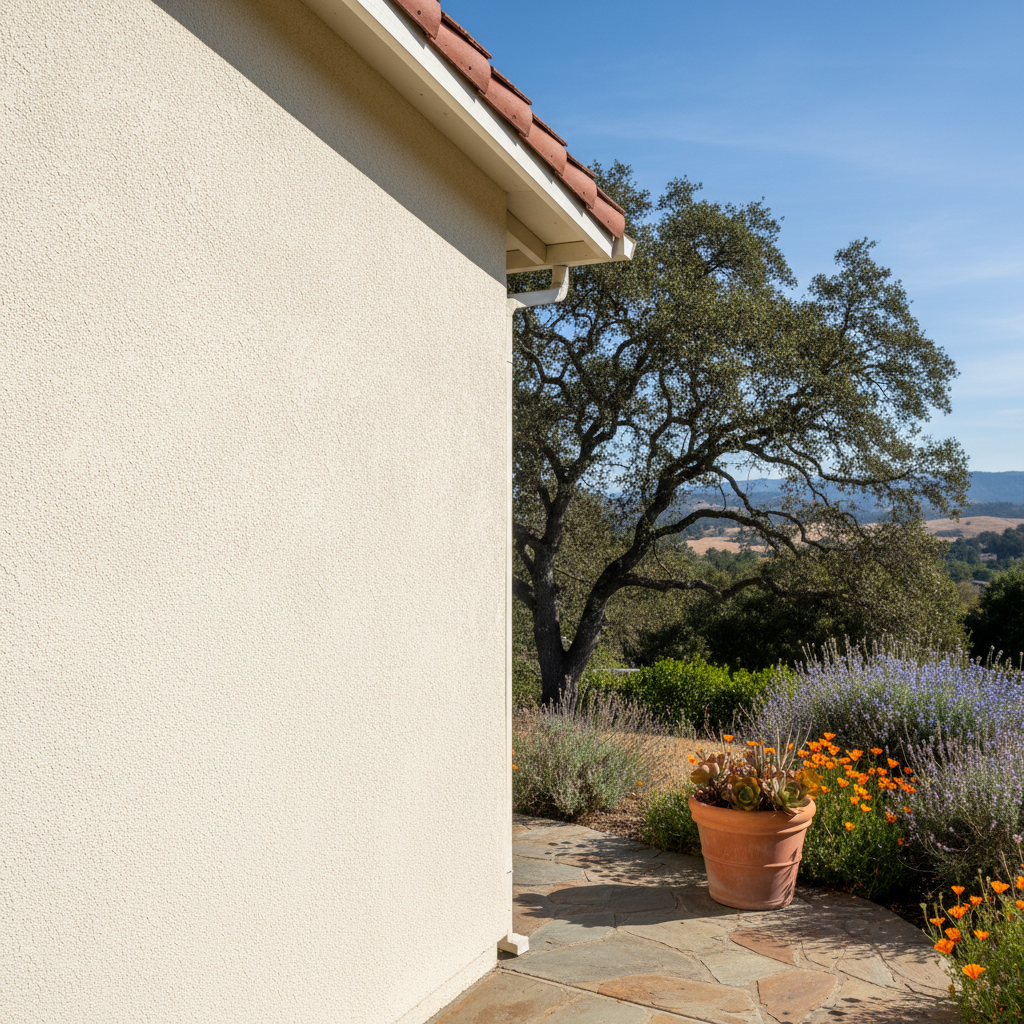
You've got stucco on your Berkeley home, and that's a smart choice. It's durable, fire-resistant, and looks fantastic when it's done right. But even the toughest materials need a little looking after. You wouldn't buy a car and never change the oil, right? Same goes for your stucco. I've seen plenty of homes around here, from the Craftsman bungalows in Elmwood to the mid-century moderns in the Berkeley Hills, and the ones that stand up best are the ones that get a bit of regular attention.
Extending the Life of Your Stucco: It's Simpler Than You Think
The biggest thing you can do to make your stucco last is keep water out. Sounds obvious, but it's the number one enemy. Stucco is designed to shed water, but if water gets behind it and stays there, you're looking at trouble. This is especially true in our climate. We get those long, dry summers, but then the rainy season hits, and it can really dump. If your stucco isn't ready for it, you'll pay for it down the line.
Think about your gutters and downspouts. Are they clean? Are they directing water away from your foundation? If water is constantly splashing up against the base of your stucco, or running down the wall because of an overflowing gutter, it's going to cause issues. Make sure your landscaping isn't holding moisture against the wall either. Plants should be trimmed back a few inches from the stucco surface. Also, check your irrigation system; you don't want sprinklers constantly drenching your walls.
Regular Maintenance: Your Stucco's Best Friend
Okay, so what does 'regular attention' actually look like? It's not a huge chore, honestly. Most of it comes down to visual inspections and a little elbow grease.
- Keep it Clean: Stucco can get dirty, especially on the north-facing sides of your house where moss or mildew might grow because it doesn't get as much sun. A soft brush and a gentle cleaning solution (like a mix of bleach and water, or a specialized stucco cleaner) can do wonders. Don't use a high-pressure washer unless you really know what you're doing; you can damage the stucco surface and force water into places it shouldn't be.
- Sealants Around Openings: This is huge. Check the caulk around your windows, doors, and any penetrations like dryer vents or hose bibs. If it's cracked, peeling, or missing, water's going to find its way in. Re-caulking is a relatively easy DIY job that can save you a lot of headaches. Use a good quality, paintable, exterior-grade sealant.
- Paint if Needed: If your stucco is painted, keep an eye on the paint condition. Fading or peeling paint isn't just an aesthetic issue; it means the protective layer is compromised. Repainting with a good quality elastomeric paint can add another layer of protection and extend the life of your stucco.
Warning Signs: What to Look For
Your stucco will usually tell you when it's unhappy. You just need to know how to listen. Here are some red flags:
- Cracks: Small hairline cracks are pretty normal, especially in older stucco. But if you see cracks that are wider than a credit card, or if they're running in a spiderweb pattern, or if they're horizontal and stepping along mortar lines, that's a concern. These can be entry points for water.
- Stains or Discoloration: Dark streaks, especially under windows or near the roofline, often mean water is getting in and running down the wall behind the stucco. Green or black patches could be mold or mildew, indicating persistent dampness.
- Bulging or Soft Spots: If you press on your stucco and it feels soft, spongy, or bulges out, that's a serious sign of water damage and possibly rot in the sheathing underneath. Don't ignore this.
- Efflorescence: This is that white, powdery substance you sometimes see on masonry. It's mineral salts left behind when water evaporates from within the wall. It means water is getting into the stucco and then drying out, leaving the salts behind.
- Peeling Paint: If your stucco is painted and the paint is peeling or blistering, especially in large areas, it often means moisture is trapped behind it, pushing the paint off.
When to Call a Professional
Look, I'm a big believer in homeowners tackling what they can. Cleaning, re-caulking, even small crack repairs – those are often doable. But there are times when you really need to bring in someone who knows what they're doing. If you see any of those serious warning signs like wide cracks, bulging, or significant water stains, don't try to patch it up yourself. You could be masking a much bigger problem.
If you're unsure about the cause of a crack, or if you suspect water intrusion, it's always best to get a professional opinion. We can diagnose the root cause, which is often not where the visible damage is. Sometimes it's a flashing issue, sometimes it's a plumbing leak, sometimes it's just old age. We've got the tools and the experience to fix it right, and make sure your stucco keeps protecting your home for many more years. Here at Berkeley Stucco & Plastering, we've seen it all, and we're always happy to give you an honest assessment.