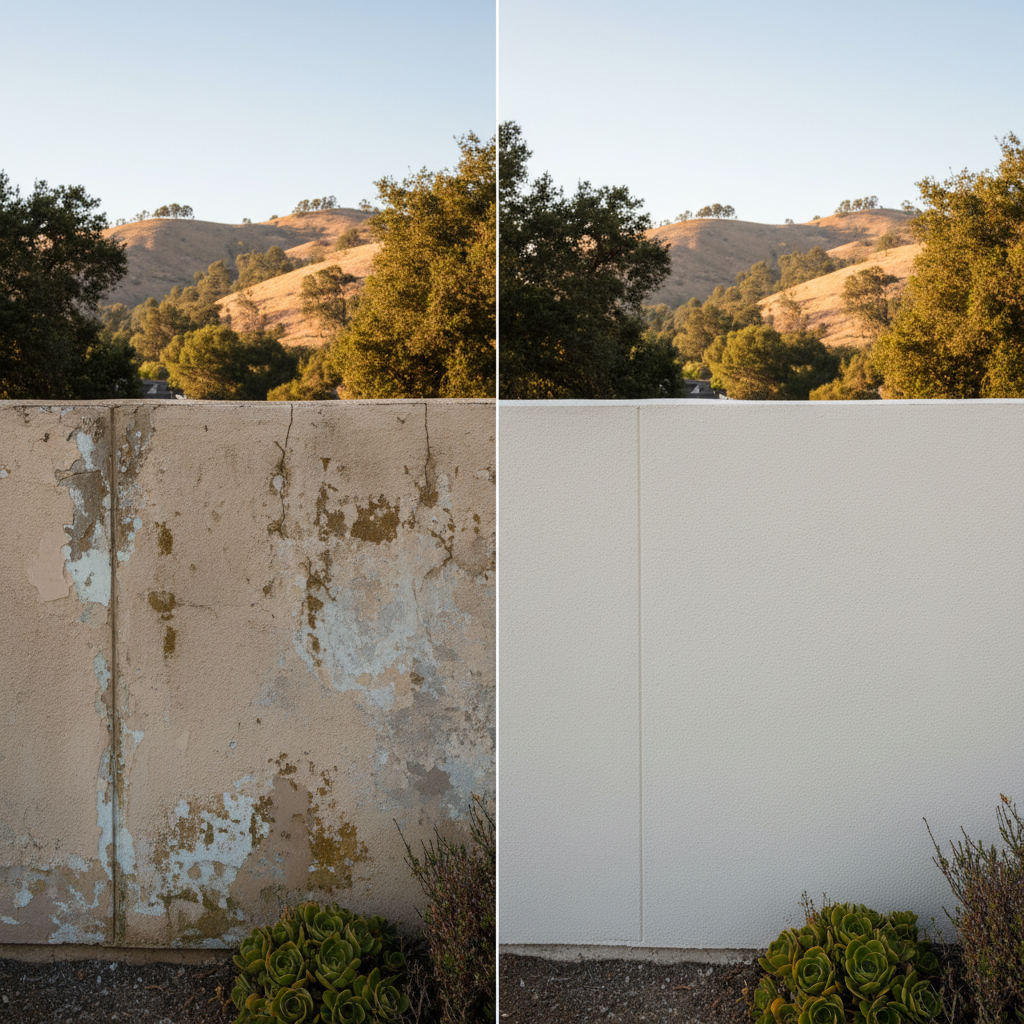
Skim Coat or Rainscreen: What's the Difference?
Okay, so your stucco's looking a little rough around the edges. Maybe it's got those tiny hairline cracks, or the color's just faded out, or it's simply not giving your Berkeley home the curb appeal it once did. You're probably thinking about redashing, which is basically giving your existing stucco a fresh new face. But there are a couple of main ways to go about it, and picking the right one upfront can save you a ton of headaches and money later on. I'm talking about a simple skim coat versus a full rainscreen system.
Now, a lot of folks hear "redashing" and picture just one thing, but these two methods are actually pretty different once you look under the hood. Let's dig in.
The Skim Coat Approach: Quick Fix, Lower Cost
A skim coat is exactly what it sounds like: we put a thin layer of new stucco, usually the finish coat, right over your existing, prepped stucco. Think of it like painting a wall, but with stucco. We'll clean the old surface really well, make sure it's solid, patch up any bigger holes or cracks, put on a bonding agent, and then lay down that fresh new layer.
Cost & Time
This is usually the most budget-friendly choice to start with. Less material, less labor. It's quicker to do, too. If your existing stucco is in pretty good shape – no major water leaks, no big sections peeling off, just cosmetic wear and tear – a skim coat can be a fantastic way to spruce up your home's look without emptying your wallet.
Durability & Maintenance
How durable is it? Well, it's good, but that really depends on the condition of the stucco underneath. If the old stucco has structural problems or hidden moisture issues, a skim coat won't fix those; it's a surface treatment, after all. Maintenance is pretty standard: keep it clean, watch for new cracks, and deal with them fast. You should get a solid 10-20 years out of it if the stuff underneath is sound and your home isn't in a super exposed spot.
Appearance
You can get almost any finish and color you want with a skim coat, just like with brand new stucco. Smooth, sand finish, dash – whatever look you're going for. It'll look completely new.
The Rainscreen System: Serious Protection, Bigger Investment
This process is much more involved, and for good reason. With a rainscreen system, we're not just slapping new stucco directly on old. We're actually building a drainage plane. This usually means putting furring strips or a dimpled drainage mat over your existing stucco, then adding a new layer of building paper, metal lath, and finally, the new stucco layers (scratch, brown, and finish coats).
Cost & Time
There's no getting around it, this is more expensive and takes longer. You're basically building a whole new stucco system on top of the old one, complete with a proper drainage gap. That means more materials, more labor, and more steps. It's a bigger investment, yes, but it's an investment in the long-term health of your home.
Durability & Maintenance
This is where the rainscreen really shines, especially here in Berkeley where we get those heavy winter rains followed by long dry spells. The drainage plane lets any water that sneaks behind the finish coat drain away harmlessly, stopping moisture from building up in your walls. This is absolutely critical for preventing rot, mold, and stucco failure. It's incredibly durable and offers top-notch protection against water intrusion, which is stucco's biggest enemy. Maintenance is minimal, just like any new stucco system, but you get that extra comfort knowing your walls can breathe and drain.
Appearance
Just like a skim coat, you can achieve any finish and color you like. The difference is, this new look is backed by a much more robust and protective system.
My Take: What's Best for Your Berkeley Home?
Look, if your stucco is relatively new – say, less than 20 years old – and you're just trying to refresh the color or fix some minor cosmetic stuff, a skim coat can be perfectly fine. Especially if your home is in a more sheltered spot, maybe a flat, protected wall on a newer build in the Berkeley Hills that doesn't get absolutely hammered by direct rain.
However, if your stucco is older, if you've ever had moisture issues, or if you simply want the absolute best long-term protection for your home, I'm going to lean towards the rainscreen system every single time. It's a bigger investment upfront, sure, but it really pays off by preventing super costly repairs down the road. Given our climate, with those occasional heavy downpours, having that drainage plane is a huge advantage. It's like adding a bulletproof vest to your house's exterior, wouldn't you say?
At Berkeley Stucco & Plastering, we've seen firsthand what water can do to a home over time. While a skim coat is a valid option for certain situations, I generally recommend the rainscreen approach if it's within your budget, especially for homes that are exposed to the elements or are really showing their age. It's about building it right, so you don't have to worry about it for decades.