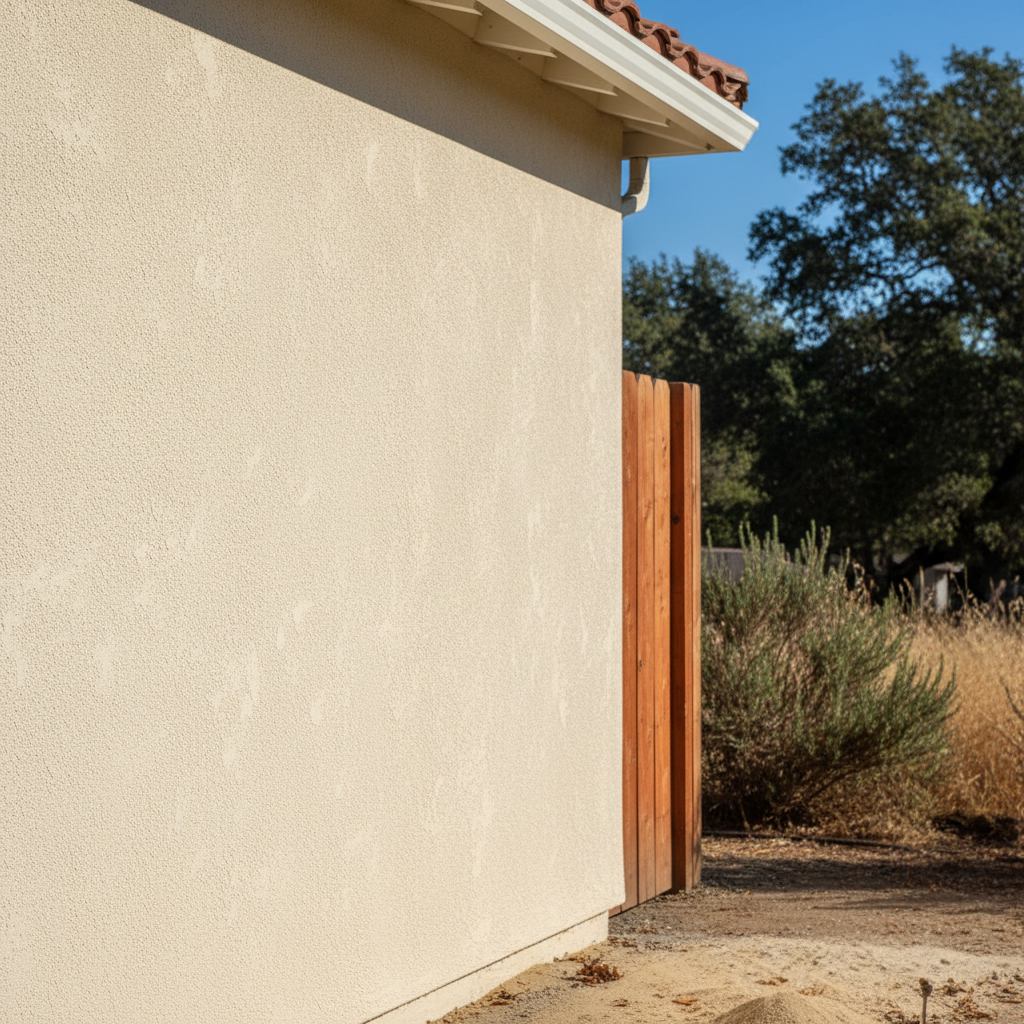
So, you're looking at your stucco and thinking it's time for a refresh. Maybe it's looking a little tired, or you've got some minor cracks showing up. Redashing is a solid option for a lot of Berkeley homes, but it's not always straightforward. I get a bunch of questions about it, and I wanted to lay out some honest answers for you.
What's the difference between redashing and just painting my stucco?
This is a big one, and it comes up a lot. Painting stucco is like putting a fresh coat of nail polish on a chipped nail – it looks good for a bit, sure, but it doesn't fix the underlying issue. Redashing, on the other hand, means we're applying a whole new layer of stucco finish. We're not just covering things up; we're actually creating a new, durable surface. It's thicker, it's more resilient, and it's designed to last for decades, not just a few years. Painting might be cheaper upfront, but it won't give you the same protection or lifespan as a proper redash. Trust me on this one.
How do I know if my stucco needs redashing or a full replacement?
Good question. If you've got widespread, deep cracks, significant water intrusion issues, or large sections of stucco that are delaminating (you know, peeling away from the wall), you might be looking at more than just a redash. A redash works great for surface-level wear, minor hairline cracks, or just updating your home's look. If I can push on the stucco and it feels soft or crumbles, that's a red flag for deeper problems. We'd definitely need to do a thorough inspection to see what's going on underneath. Sometimes, especially with older homes in areas like the Berkeley hills, you might have original stucco over wood lath that's just reached the end of its life, and a redash simply won't cut it.
Can I change the color and texture of my stucco when I redash?
Absolutely, that's one of the best parts about redashing! You're essentially getting a brand new finish coat. You can pick a completely different color, go with a finer or coarser texture, or even change the style entirely – like from a sand finish to a Santa Barbara smooth. Just keep in mind that smoother finishes tend to show imperfections more than textured ones, so the prep work needs to be really dialed in. We'll show you samples and talk through what'll look best and hold up well on your particular home.
How long does a redashing project usually take?
It really depends on the size of your house and how complex the job is. For an average-sized Berkeley home, you're usually looking at anywhere from 1 to 3 weeks. That includes all the prep work – cleaning, patching, masking – then applying the new finish, and finally, cleanup. Weather plays a big role too; we can't apply stucco in heavy rain or when it's too cold. We always try to give you a clear timeline upfront, but sometimes Mother Nature has other plans, doesn't she?
Will redashing fix existing water leaks or moisture problems?
No, not directly. Redashing is a finish coat; it's not a waterproofing solution for structural issues. If you've got leaks, we need to find the source of that water intrusion and fix it first. That might mean repairing flashing around windows, addressing roof issues, or fixing cracks that go all the way through the existing stucco. Putting a new layer of stucco over an active leak is like putting a band-aid on a broken leg – it won't solve anything and could make things much worse down the line. We'll always recommend fixing any underlying moisture problems before we even think about redashing.
What kind of maintenance does redashed stucco need?
Once your stucco is redashed, it's pretty low maintenance, which is one of its big advantages. You'll want to keep it clean – a gentle wash with a hose and a soft brush can remove dirt and cobwebs. Keep an eye out for any new hairline cracks that might develop over time, especially around window and door openings. If you see them, it's a good idea to get them sealed up to prevent water intrusion. Also, make sure your gutters are clean and directing water away from your walls. Good drainage is key to stucco longevity. It's a tough material, but like anything, a little bit of care goes a long way.
Redashing can really transform your home's exterior, giving it a fresh look and renewed protection. If you're in Berkeley and thinking about it, give us a call at Berkeley Stucco & Plastering. We're happy to come out, take a look, and give you an honest assessment of what your home needs.