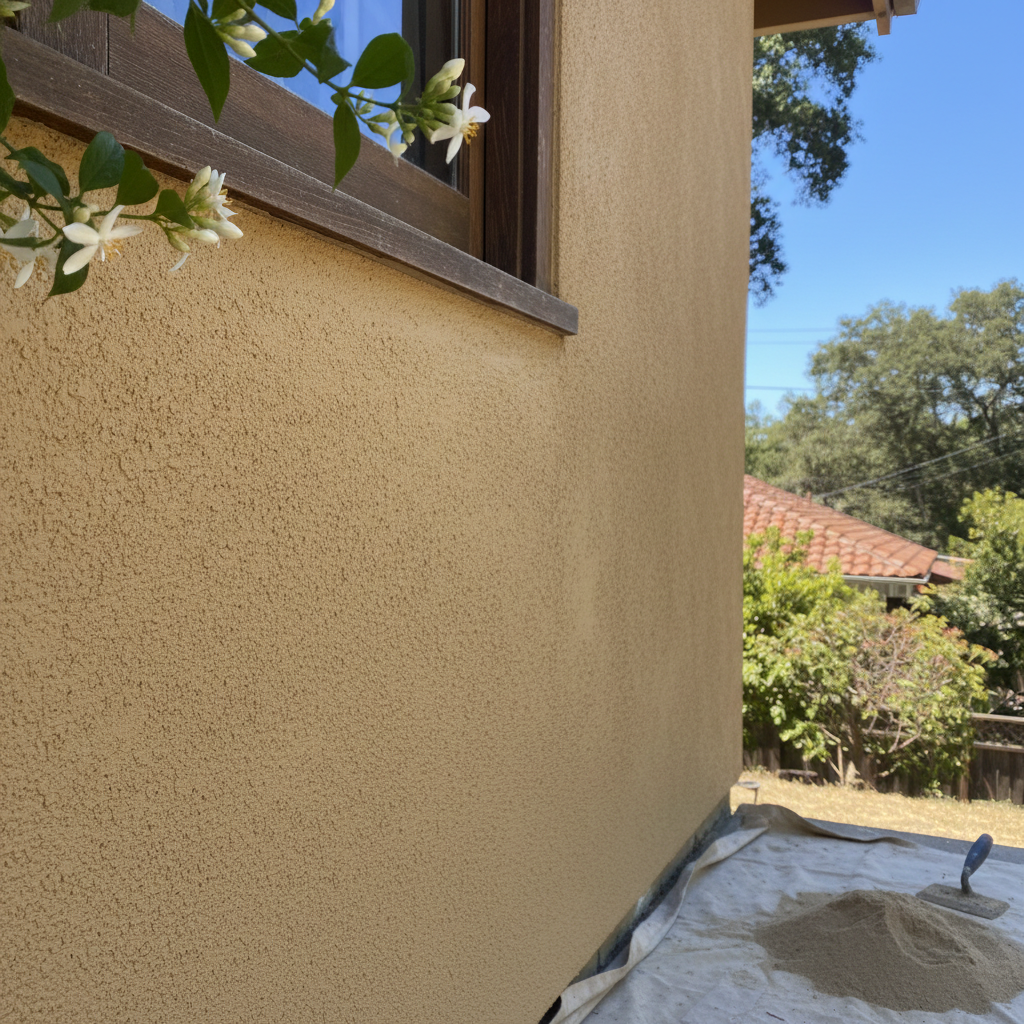
Alright, let's talk about stucco redashing. I get a lot of calls from homeowners right here in Berkeley, and many of you are probably looking at your stucco, wondering if it's time for a refresh. Maybe it just looks tired, or you’ve spotted a few minor cracks. Redashing is a really solid option for many homes, but it’s not always as simple as it sounds. So, I’ve put together answers to the most common questions I hear, hoping to give you a clearer picture of what you're getting into.
What exactly is stucco redashing? Is it just painting?
No, definitely not just painting. This is a big one, and it comes up all the time. Painting stucco, well, that's kind of like putting a fresh coat of nail polish on a chipped nail – it might look good for a little while, sure, but it doesn't actually fix the problem underneath. Redashing, on the other hand, means we’re putting a whole new layer of stucco finish right over your existing, structurally sound stucco. We aren't just covering things up here; we're actually building a new, tough surface. It’s thicker, much more resilient, and it’s made to last for decades, not just a few years. Painting might seem cheaper upfront, but it won't give you the same protection or lifespan as a proper redash. Trust me on this one.
How do I know if my stucco needs redashing or a full replacement?
Good question. If you’re seeing widespread, really deep cracks, serious water leaks, or big chunks of stucco peeling away from the wall (you know, delaminating), you might be looking at something more involved than just a redash. A redash works wonders for surface wear, those little hairline cracks, or simply giving your home a fresh new look. But if I can push on the stucco and it feels soft or crumbles, that’s a major red flag for deeper issues. We’d absolutely need to do a thorough inspection to figure out what’s going on beneath the surface. Sometimes, especially with older homes in places like the Berkeley hills, you might have original stucco over wood lath that’s just, well, reached the end of its useful life. In those cases, a redash simply won't cut it.
Will redashing fix existing water leaks or moisture problems?
No, not directly. A redash is a finish coat; it’s not some magic waterproofing solution for structural issues. If you’ve got leaks, we absolutely have to find where that water is coming from and fix it first. That could mean repairing flashing around windows, sorting out roof problems, or patching cracks that go all the way through the existing stucco. Slapping a new finish over a wall that’s actively got moisture problems is just asking for trouble down the road. You’ll end up trapping that moisture, which can lead to bigger, more expensive headaches like rot or mold inside your wall cavity. We've got to deal with the root cause before we even think about redashing.
What kind of textures and colors can I choose for my redash?
This is where you really get to have some fun and completely change how your home looks! You’ve got a ton of choices. Common textures include smooth, sand, lace, and dash finishes. A smooth finish gives you that clean, modern vibe, but it can show imperfections more easily, just so you know. A sand finish is pretty classic and quite forgiving. Dash finishes are rougher, made by splattering the stucco on. We can even match existing textures if you’re only doing a section of the house. As for colors, with modern synthetic stucco, the sky’s pretty much the limit. You can get almost any color you can dream up, and the color is actually mixed into the stucco itself, so it’s not just a surface paint that will chip or fade quickly. We can also do fog coats to refresh the color if your existing stucco is sound but has just faded over time.
How long does a redashing project usually take and how long will it last?
It really depends on the size of your house and how complicated the job is. For an average-sized Berkeley home, you’re usually looking at anywhere from 1 to 3 weeks. That includes all the prep work – cleaning, patching, masking – then putting on the new finish, and finally, cleaning everything up. Weather plays a big role too; we can’t apply stucco in heavy rain or when it’s too cold. We always try to give you a clear timeline upfront, but sometimes Mother Nature has other plans, doesn't she?
As for how long it lasts, if it’s done right, a redash can easily last 15 to 20 years, sometimes even longer. The lifespan of stucco in general can be 50 to 80 years with proper care. That depends a bit on the specific product we use, how much sun and weather it gets, and how well you maintain it. Just cleaning it regularly and taking care of any new damage quickly will help it last the longest. We only use materials known for their toughness and color retention, so your investment really pays off with lasting good looks and protection.
Do I need a permit for stucco redashing in Berkeley?
For most cosmetic stucco repairs or just refreshing the finish coat, you typically do NOT need a building permit here in California. However, if the work involves structural substrate repair (like replacing lath, paper, or sheathing over a big area) or any work that changes the exterior cladding system, then yes, you WILL usually need a permit. The City of Berkeley has an online portal for permits, and it’s always smart to check. As Berkeley Stucco & Plastering, we’re familiar with local regulations, and we’ll let you know if your specific project requires one and even handle the permitting process for you.
What's the cost difference between redashing and a full stucco replacement?
Redashing is generally less expensive than a full stucco replacement because we’re not tearing everything off down to the studs. You’re saving on demolition, disposal, and all the labor that goes into rebuilding the base layers. A full re-stucco in the Bay Area can run you around $1,950 per 100 square feet, or about $29,250 for a typical 1,500 sq ft home. Redashing, since it’s just the finish coat, is a fraction of that cost, but it’s tough to give exact numbers without seeing the job itself. Minor crack repairs might be $150-$400, while larger patch repairs could range from $400-$1,200. The cost depends on how much prep work is needed, the size of your home, how complex the texture is, and any underlying repairs we might uncover. We’ll always give you a clear, honest quote after a thorough assessment.
If you're seeing signs of wear, those minor cracks, or just want to update your home’s look, redashing can be a fantastic way to revitalize your Berkeley property. It’s a smart investment that protects your home and really boosts its curb appeal. So, if you’re in Berkeley and thinking about it, give us a call at Berkeley Stucco & Plastering. We’re happy to come out, take a look, and give you an honest assessment of what your home needs.