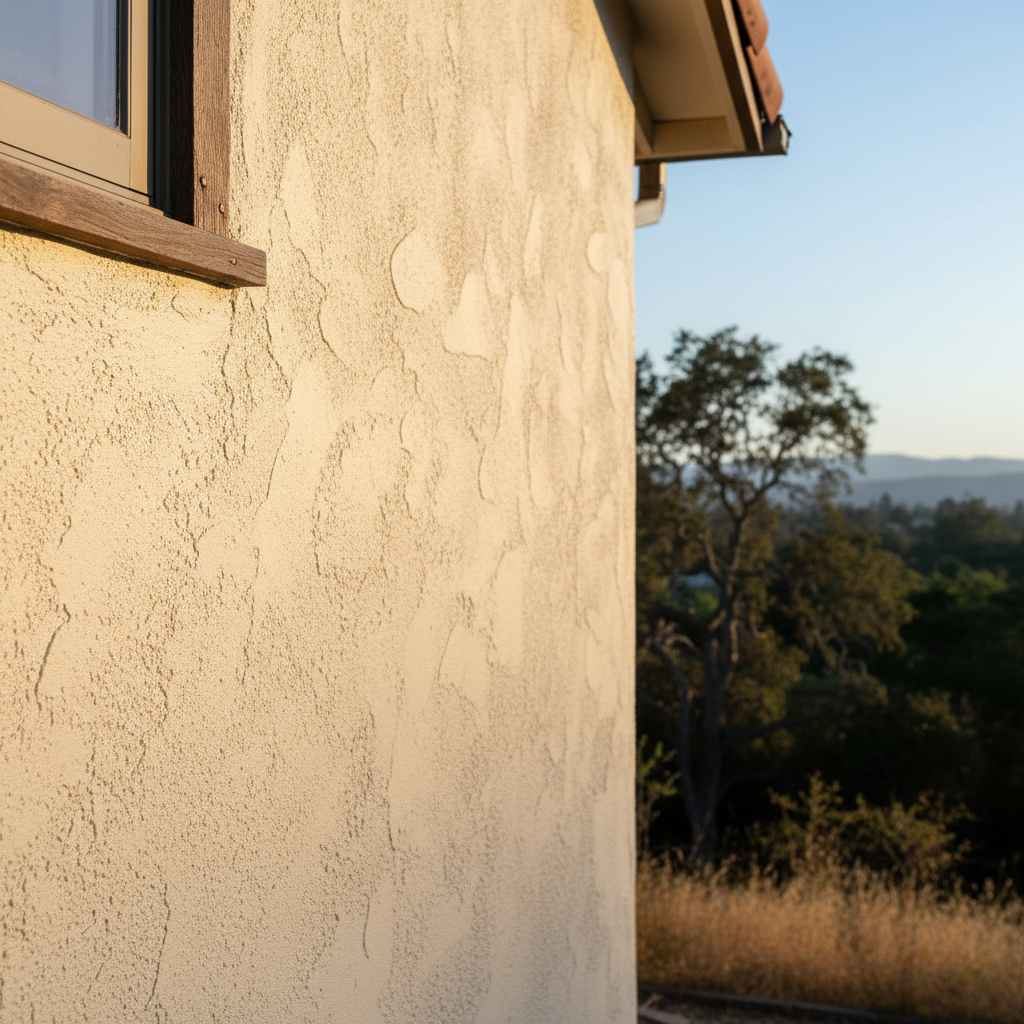
When was the last time you really looked at your stucco? I mean, *really* looked? As a Berkeley homeowner, you've got plenty on your mind, but ignoring your stucco can easily lead to some seriously expensive headaches later on. Sure, stucco is tough stuff, but it's not indestructible, especially with all our Bay Area fog and those occasional heavy rains. You really need to know what you're looking at, what you can fix yourself, and when it's time to just pick up the phone and call a pro.
Before You Start Anything: Your Stucco Pre-Check
Before you even *think* about painting, cleaning, or doing any kind of exterior work, you absolutely have to give your stucco a good, thorough inspection. This isn't just about spotting big cracks, mind you; it's about really understanding the overall health of your home's outer layer. Think of it like a full physical for your house.
- Visual Scan: Walk all the way around your house. Get right up close. Look for anything that just seems *off*. Discoloration, stains, or dark spots — especially around windows, doors, or at the bottom of the walls — those are huge red flags. See white, powdery stuff? That's efflorescence, and it's telling you water is getting behind the stucco, bringing salts to the surface.
- Cracks: Little hairline cracks are pretty common, usually just cosmetic. But if you spot cracks wider than 1/8 inch, or ones that are growing, spider-webbing, or spreading out from windows and doors, you've got a bigger problem. These can signal structural movement or issues with the stucco system itself.
- Soft Spots or Bulges: Gently press on different areas of your stucco. It should feel hard and firm, right? If it feels soft, spongy, or hollow, or if you notice any bulging areas, that's a sure sign of trapped moisture and potential damage underneath. This means the stucco isn't properly bonded to the wall anymore.
- Drainage Check: Take a look at your gutters and downspouts. Are they clear? Are they actually directing water away from your foundation? And make sure that weep screed at the very bottom of your walls isn't clogged. That's super important for letting water drain out. Poor drainage is a common reason for stucco problems, especially here in the Berkeley hills where runoff can be a real pain.
- Flashing and Sealants: Pay extra close attention to where your stucco meets other materials – like around windows, doors, rooflines, and vents. Are the sealants cracked or missing? Is the flashing still intact? Compromised flashing and sealants are basically open invitations for water to get in.
During the Project: What to Watch For
If you're having work done on your stucco, whether it's a repair or a full re-dash, you really need to be observant. This is your chance to catch problems early, before they get covered up.
- Substrate Exposure: If old stucco is coming off, look at what's underneath. Is there any rot, mold, or water damage on the sheathing or framing? Now's the time to fix it, not just cover it up.
- Proper Layering: Stucco isn't just one coat, you know. It's usually multiple layers. Make sure the contractor is putting them on correctly and letting them dry enough between coats. Skipping this can lead to cracking and chipping down the road.
- Flashing Re-installation: Any time windows or doors are messed with, or new stucco goes on, make absolutely sure the flashing is properly installed or re-installed. It has to direct water out and away from the wall assembly.
- Control Joints: For bigger stucco planes, control joints are crucial. They help handle movement and stop cracking. If your home has large, unbroken stucco walls, ask your contractor about these.
After the Project: Keep an Eye Out
Just because the project is finished doesn't mean you're off the hook for inspections. Stucco needs ongoing care.
- Post-Rain Check: After a good rain, take another walk around your house. Look for any new stains, streaks, or areas that seem to be holding moisture. This is the best time to see if water is properly shedding off your stucco.
- Regular Cleaning: Keep your stucco clean. Dirt, algae, and mildew can hold moisture right against the surface. Use a garden hose or a low-pressure spray and a mild detergent. Seriously, avoid high-pressure washers; they can really damage the stucco.
- Landscaping: Keep plants, shrubs, and trees trimmed back from your stucco. They can rub against it, cause discoloration, and trap moisture.
DIY or Pro? Knowing When to Call Berkeley Stucco & Plastering
You can definitely handle those visual inspections yourself. Cleaning your gutters, trimming bushes, even sealing small hairline cracks with elastomeric caulk — that's all doable.
However, for anything beyond minor surface issues, you really need a professional. If you see:
- Cracks wider than 1/8 inch or any structural cracks.
- Soft, spongy, or bulging areas.
- Persistent water stains, efflorescence, or mold that just keeps coming back.
- Damage around windows, doors, or rooflines where flashing or sealants have failed.
- Exposed lath or wire mesh.
These are all signs of potential moisture getting in and underlying damage that a general home inspector might totally miss. A professional, like us at Berkeley Stucco & Plastering, has special tools like moisture meters and infrared cameras to find those hidden problems. We can figure out the real cause and make sure the repair is done right, protecting your home's structural integrity. Don't wait until a small problem turns into some major, costly repair, okay?