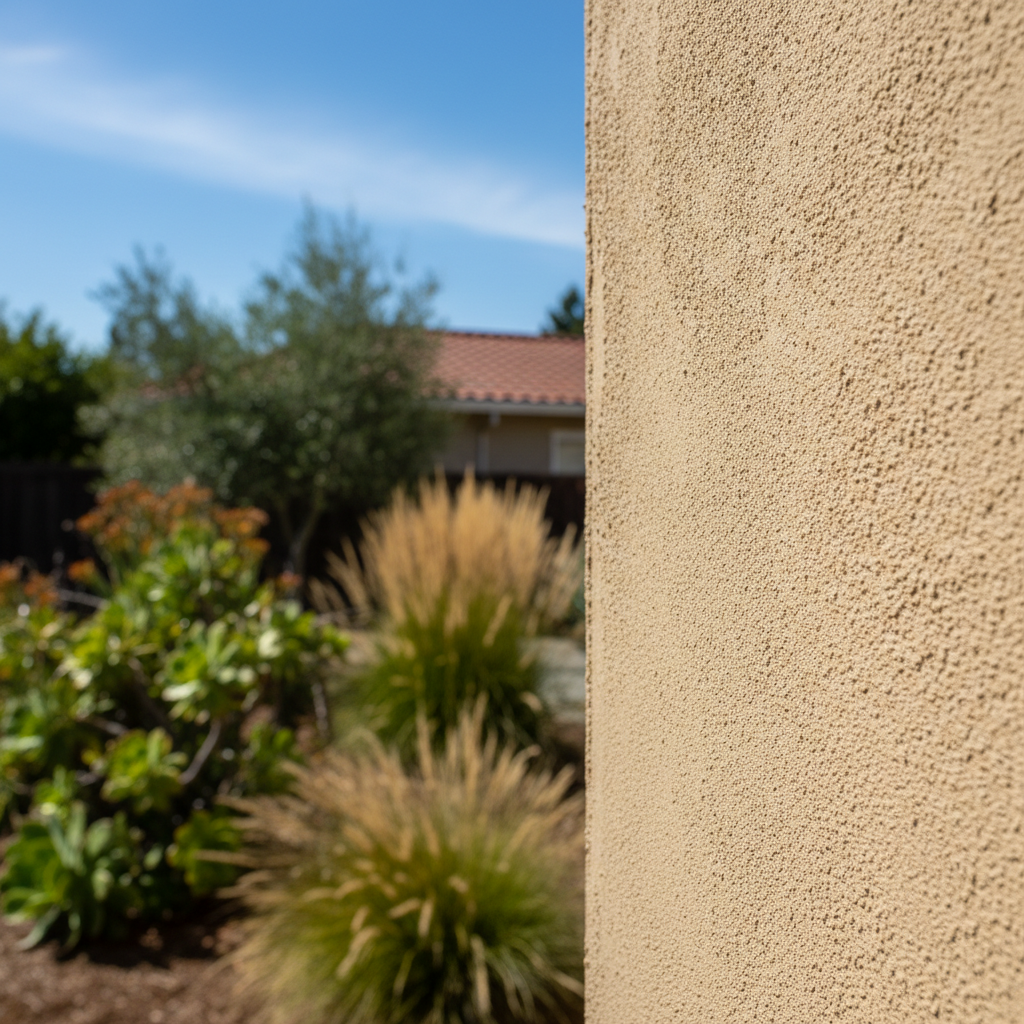
Do I really need to paint my stucco? It seems fine.
That's a fair question, and it's not always a hard yes. Stucco is tough, designed to last. But 'fine' isn't always 'optimal.' Over time, even the best stucco can start to show its age. You'll see fading, maybe some chalking when you run your hand over it, or even hairline cracks. Paint isn't just about making it look pretty; it's an extra layer of protection against the elements. Here in Berkeley, with our mix of foggy mornings and sunny afternoons, that constant expansion and contraction can take a toll. A good paint job can seal those tiny cracks, prevent moisture intrusion, and extend the life of your stucco, saving you bigger headaches down the road. If your stucco is looking dull or you're noticing any of those issues, it's probably time to think about it.
What's the most important step in painting stucco?
Hands down, it's the prep work. If you skip or skimp on the prep, you're just asking for trouble, and your new paint job won't last. First, you've got to clean it thoroughly. We're talking power washing to get rid of all the dirt, mildew, and loose paint. Then, and this is crucial for stucco, you need to repair any cracks or damage. Small hairline cracks can be filled with a good elastomeric sealant. Bigger cracks or areas of delaminated stucco need proper patching and blending. If you just paint over cracks, they'll show right through, and moisture will still get in behind the paint, causing it to fail prematurely. Don't forget to address any efflorescence – those white powdery deposits – before painting, too. It's tedious, but it's the foundation for a lasting finish.
What kind of paint should I use for stucco?
You can't just grab any old house paint. Stucco needs something that's breathable, flexible, and durable. I always recommend a high-quality acrylic latex paint specifically designed for masonry or stucco. These paints are formulated to expand and contract with the stucco, which is vital given our temperature swings. They're also breathable, meaning they allow any trapped moisture in the wall to escape without blistering the paint. Elastomeric paints are another good option, especially if your stucco has a lot of fine cracks, as they're very flexible and can bridge those gaps. Just make sure whatever you pick is 100% acrylic. Don't go for cheap stuff; the paint cost is a small fraction of the labor, and better paint means it lasts longer.
Do I need a primer?
Most of the time, yes, you absolutely need a primer. Especially if you're painting new stucco, or if the existing paint is chalky, stained, or a really dark color you're trying to lighten. A good quality acrylic masonry primer will seal the stucco, promote better adhesion for your topcoat, and ensure a more uniform finish. It helps prevent the stucco from 'sucking up' too much of your finish paint, which saves you money in the long run. If your existing paint is in excellent condition and you're just doing a color refresh with a similar shade, you might get away without it, but it's always safer to prime. Think of it as insurance for your paint job.
How long does a stucco paint job typically last in Berkeley?
If it's done right – with proper prep and quality materials – you can expect a good stucco paint job to last anywhere from 10 to 15 years, sometimes even longer. Factors like the quality of the paint, the skill of the application, and how much direct sun exposure your house gets will all play a role. Homes on the sunny hillsides of Berkeley might see their paint fade a bit faster than those tucked away in the shadier parts of the flats. Regular cleaning can also help extend its life. Don't underestimate the impact of a professional job; that's where Berkeley Stucco & Plastering comes in, making sure it's done right the first time.
Can I paint over existing stucco that's already painted?
Yep, you can definitely paint over existing painted stucco, as long as the old paint is in good condition. If it's peeling, flaking, or chalking excessively, you'll need to scrape off all the loose stuff and then clean it thoroughly. If the old paint is sound, you'll still need to clean it well to remove any dirt or mildew. A light sanding might be needed if the surface is glossy to help with adhesion. Again, prep is key here. You're essentially creating a new surface for the fresh paint to bond to, so you want that surface to be clean, dry, and stable.
What about color choices? Any tips for Berkeley homes?
Color is a big one, and it's super personal. For Berkeley homes, I often see people lean towards colors that complement the natural surroundings – earthy tones, muted greens, grays, and blues. These colors tend to look great with the varied landscaping and the classic architectural styles we have around here, from Craftsman to Mediterranean. Lighter colors often help keep your home cooler by reflecting sunlight, which is nice on those hot East Bay afternoons. Always test your colors on a patch of your stucco first. Paint samples look totally different in the store than they do on your house under natural light. Look at it at different times of day before you commit. You want something that feels right for your home and the neighborhood.